REVIVE
Mastering the Art and Science of Resuscitation
Cutting Edge Resuscitation for the Real World
Cutting-edge resuscitation for the real world.
REVIVE is a one-day course from the Center for Resuscitation Science at Penn Medicine. The morning is short, evidence-based talks and case discussions. The afternoon puts you at hands-on stations run by national experts, so you go home with skills you'll use on your next shift.
- When
- Saturday, April 10, 20278:00 AM to 6:15 PM ET
- Where
- Jordan Medical Education CenterLaw Auditorium, 3400 Civic Center Blvd., Philadelphia
- Online
- Live stream until 3:00 PM ETBreakout stations are in person only
- Credit
- Jointly accredited CME/CEFor physicians, APPs, nurses, and pharmacists
Registration for REVIVE 2027 is open.
REVIVE 2026 sold out, and 95% of respondents told us it would contribute to changes in their practice or patient care. On April 10th, 2027, REVIVE will return to Philadelphia and will be even better than last year, with new lectures, more breakout sessions, CME for all backgrounds, and our unmatched resuscitation community.
Early bird rates run through December 31, 2026. You'll register through Penn Medicine Cloud CME.
A day at REVIVE
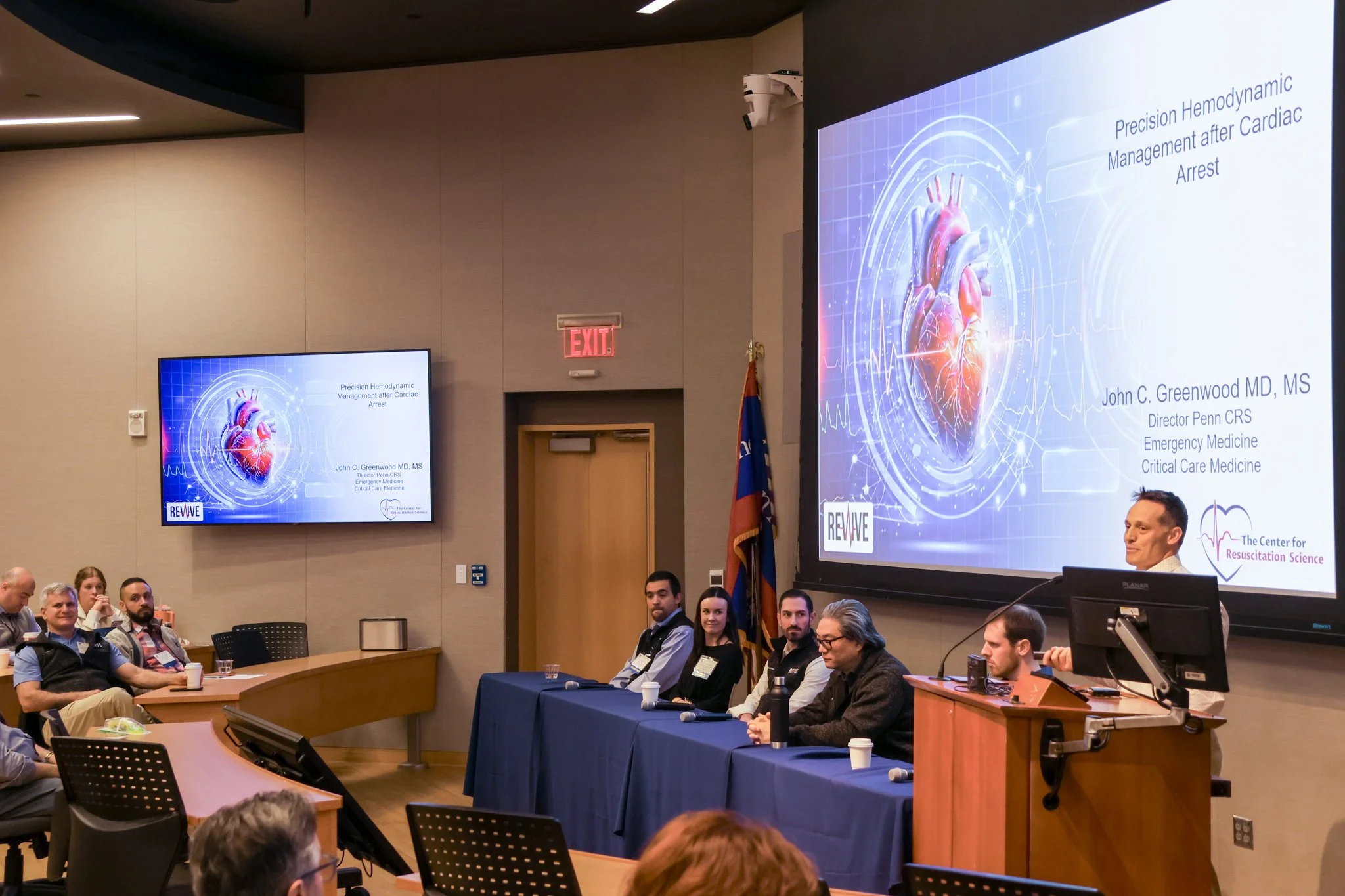
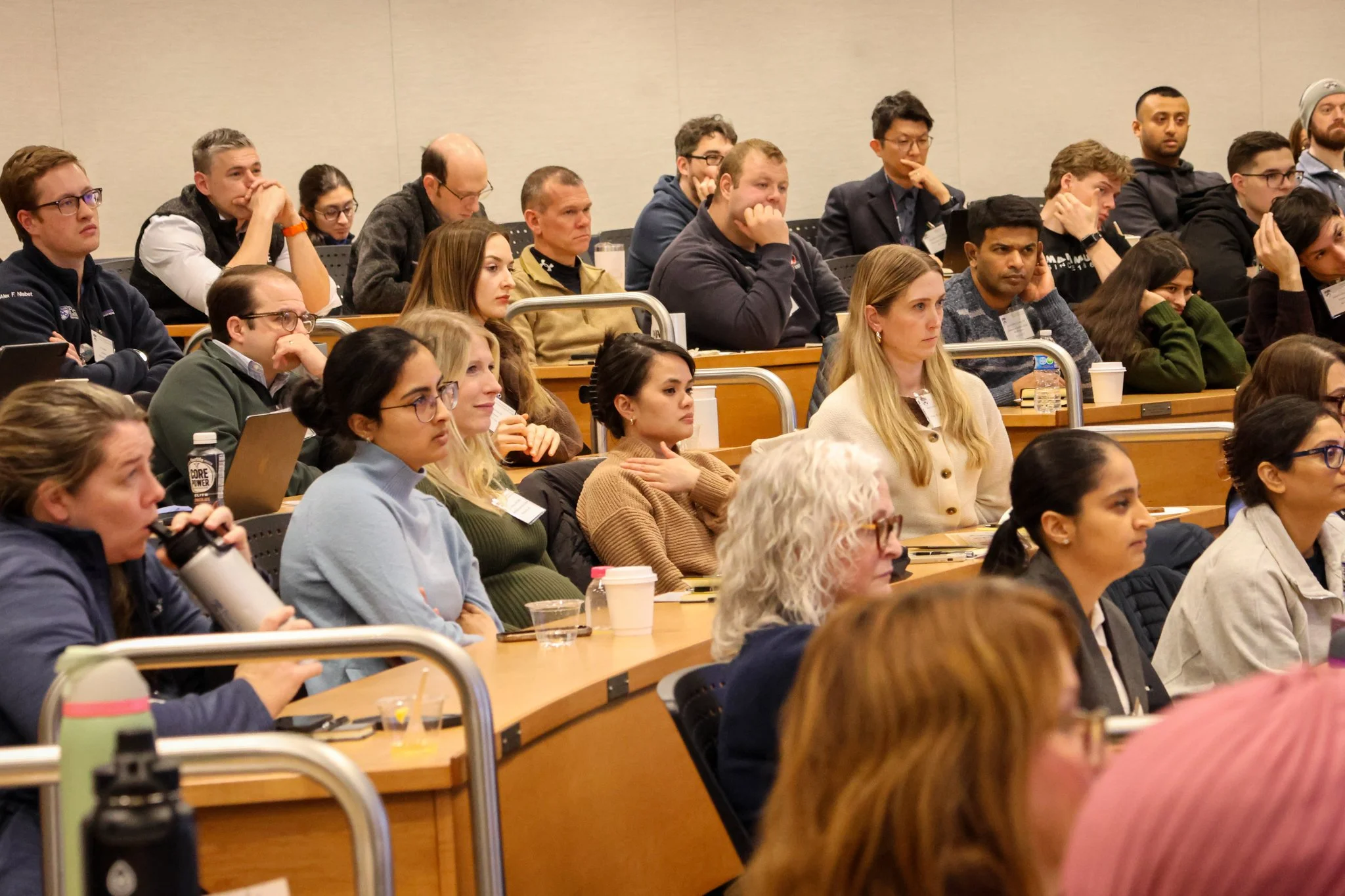
Highlights from REVIVE 2026: the lectures, the hands-on stations, and the people.
Morning sessions
Four lecture blocks from national experts, each closing with a moderated case discussion. Join in person or on the live stream, and earn up to 8.25 CME/CE credits for the day.
-
8:10 to 9:00 AM
Core Topics in Resuscitation
The principles every resuscitationist has to own: oxygenation, CPR quality, and leading a high-performance team.
- Oxygenation and ventilation
- High-performance teams
- CPR quality and debrief
-
9:30 to 10:30 AM
Advances in Cardiac Arrest
The breakthroughs rewriting the playbook, from next-level defibrillation to hemodynamic-directed resuscitation.
- Defibrillation 2.0
- Refractory VT/VF
- Hemodynamic-directed resuscitation
-
11:00 AM to 12:00 PM
Post-Cardiac Arrest Care
ROSC is just the beginning. TTM, neuroprognostication, and hemodynamics in the hours that decide recovery.
- TTM updates for 2027
- Neuroprognostication
- Post-arrest shock
-
1:30 to 2:30 PM
Advanced Resuscitation
The most complex, high-risk cases: ECMO, massive PE, refractory arrhythmias, and resuscitation in pregnancy.
- ECMO and MCS
- Massive pulmonary embolism
- Peri-arrest pregnancy
Afternoon hands‑on stations
In person, 4:00 to 6:00 PM. Choose four of six stations and rotate in small groups with expert faculty and real equipment, putting the morning's lectures into your hands.
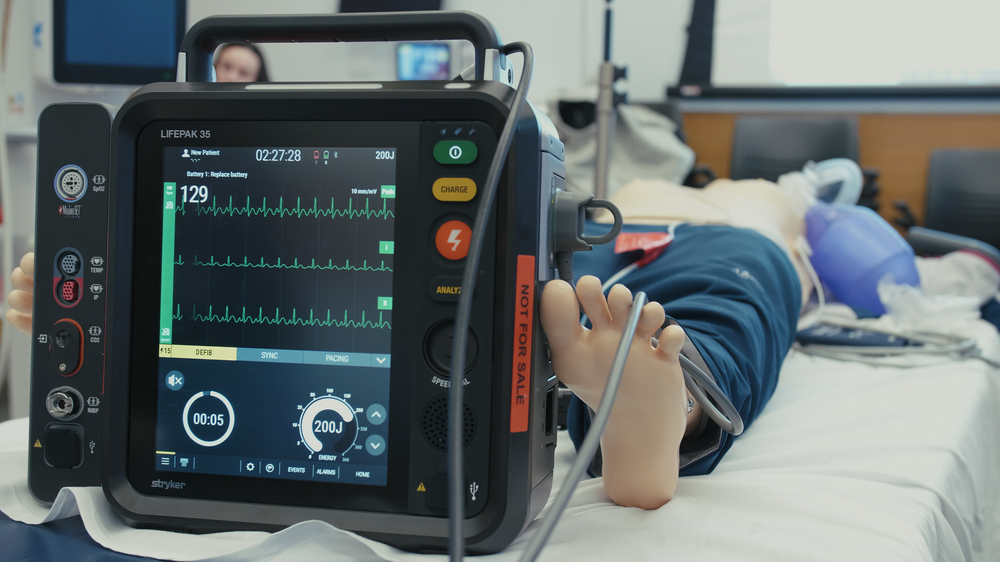
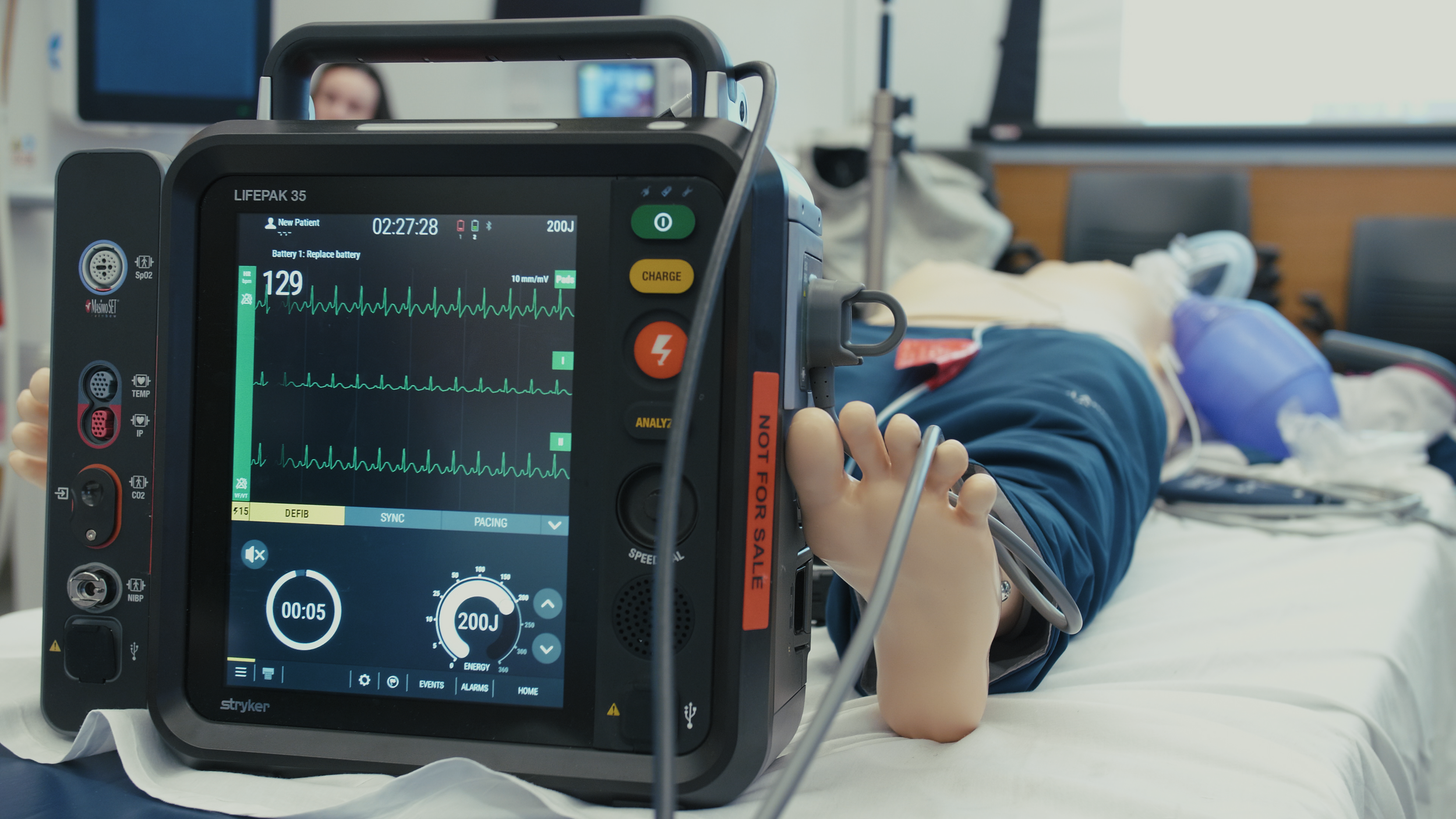
Refractory Tachyarrhythmias
Beyond your standard defibrillations. Manage cases of refractory tachyarrhythmias and leave with skills beyond standard ACLS, including double sequential defibrillation, vector change, and pre-shock charging.
- Double sequential defibrillation and vector change
- Pre-shock charging
- First-shock success

Owning the Airway in Cardiac Arrest
Use the full repertoire of airway devices and adjuncts to take full control of the resuscitative airway. From LMAs, endotracheal tubes, and fiberoptic intubation to mastery of the humble bag-valve mask.
- Bag-valve mask mastery
- Intubation during CPR
- SALAD techniques

Resuscitative Ultrasound
Leverage ultrasound imaging to gain a window into the hemodynamics of the crashing patient. Scan on live models with expert instructors, with basic and advanced tracks from CASA to RV assessment and TEE.
- Live model scanning
- Basic and advanced tracks
- CASA, RV assessment, and TEE
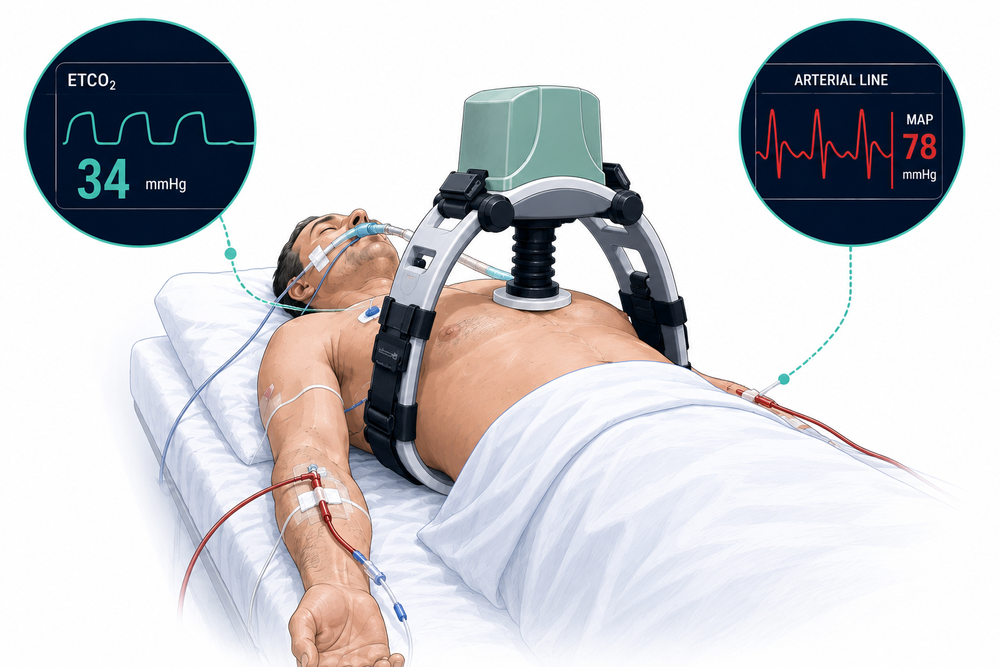
Personalized Resuscitation
Use invasive and non-invasive hemodynamics to guide volume administration, CPR quality, and vasopressor titration. Get hands on with the newest devices and cutting-edge sonographic approaches.
- Hemodynamic-directed CPR
- The newest monitoring devices
- Vasopressor titration
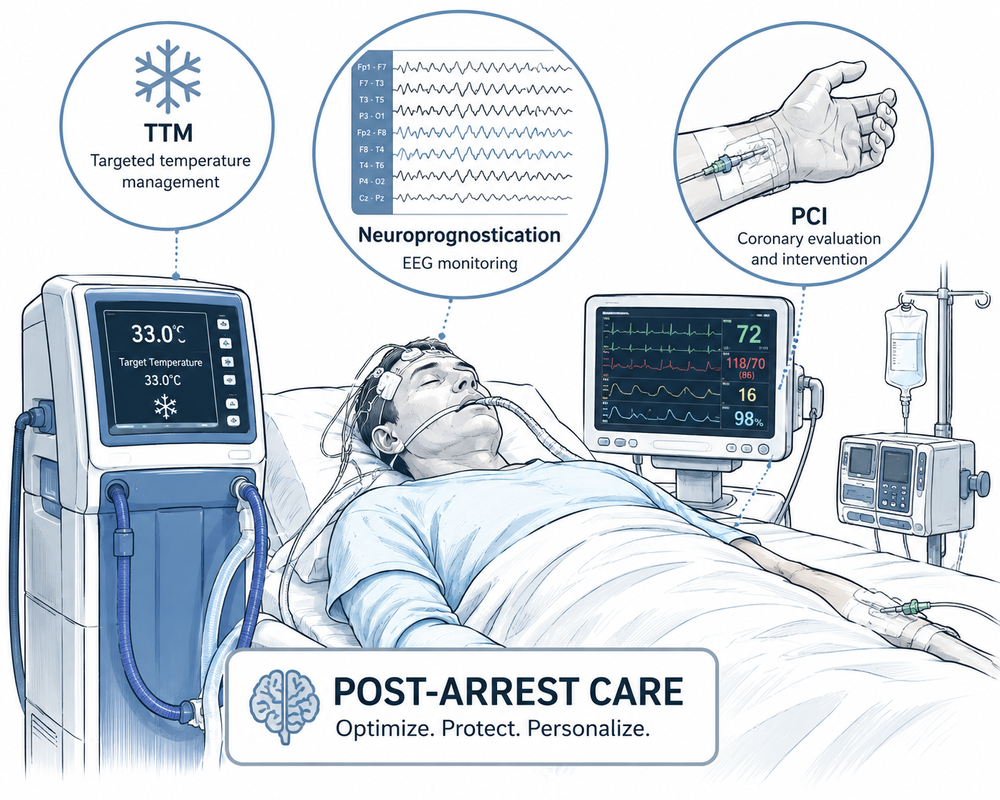
Post-Cardiac Arrest Care
Review recent data and controversies in post-arrest care. Spend time with the experts discussing the state of the art in TTM, post-arrest PCI, hemodynamic targets, and best practices in neuroprognostication.
- TTM workflows
- Shivering management
- Neuroprognostication
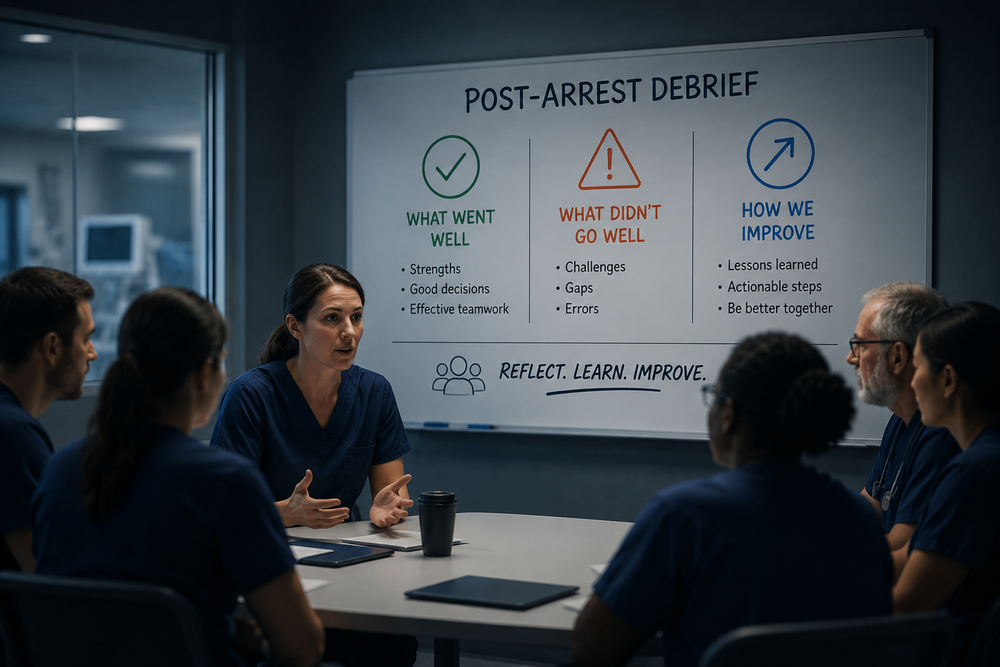
The Art of the Debrief
Turn every code into the next team's edge. Master hot and cold debrief frameworks, protect psychological safety under pressure, and build the feedback loop that converts tough cases into measurable quality gains.
- Hot and cold debriefs
- Psychological safety
- Quality feedback loops
What attendees said about REVIVE 2026.
I really appreciated how you incorporated so much hands-on education to complement the didactic portions. All the topics were so relevant to what we are seeing in practice and in the current literature. I loved how each of the faculty gave recognition to the AHA but also challenged us to think beyond the guidelines. The whole thing was stellar!
I'll be honest, this conference was the best one I ever attended in my 20 years of nursing! Everything about this day was exhilarating and I learned so much from every speaker. I will share all the slides with my peers who couldn't make it. Outstanding job to everyone!
First time for me in years that I was so engaged and learning at a meeting.
I am a Rapid Response/Code RN; there are no conferences for this niche area of practice for us to strengthen, learn, and grow in. This conference was excellent in representing all the ways in-patient arrests are approached, and it helped me be ready to support my providers, staff, and patients more fully.
It was INCREDIBLE! I truly enjoyed every lecture and was able to stay engaged the entire time.
This format and the content covered were excellent. I plan to make this an annual part of my personal education.
Presenters were amazing. The balance between short lectures followed by Q&A podcast style worked amazingly, because I could see how the presenters interpreted the guidelines and applied them, and most importantly the reasoning behind those decisions.
A highly engaging educational activity. The combination of didactic learning and case-based discussion enhanced my understanding and will translate directly to improved performance during real clinical emergencies.
Absolutely nothing to improve. I'm wondering how the conference will be even better than this year's. I really loved this activity, and it met all of my educational needs.
See you in Philadelphia on April 10.
Early bird rates run through December 31, 2026. You'll register through Penn Medicine Cloud CME.
Register for REVIVE 2027Earn CME/CE Credit While Advancing Your Practice
REVIVE 2027 is an accredited educational activity with designated credit for physicians, and continuing education hours for nurses, pharmacists, and advanced practice providers.
Accreditation provided by the University of Pennsylvania Perelman School of Medicine:
Physicians: AMA PRA Category 1 Credit™
Nurses & Nurse Practitioners: NCPD hours
Pharmacists: ACPE contact hours of continuing pharmacy education
Nurses & Nurse Practitioners: 8.25 NCPD hours
Physician Associates: AAPA accepts certificates of participation for educational activities certified for AMA PRA Category 1 Credit™ from organizations accredited by ACCME
Friends and supporters
-
![Logo of Intensive Care Academy with icons of a heart, lungs, and brain.]()
Intensive Care Academy
Intensive Care Academy is an online learning platform dedicated to critical care.
-
![Orange background with icons of a heart, lungs, and brain above the text 'critical care SCENARIOS'.]()
Critical Care scenarios
An educational podcast presenting practical critical care scenarios.
-
![The center for resuscitation science]()
Penn Center for resuscitation science
Founded on the principles of research, education, and community engagement, our dedication to improving outcomes from cardiac arrest remains unwavering. We prioritize cutting-edge research, community outreach, and fostering collaboration across multiple disciplines.
-
![The protected airway collaborative]()
The protected airway collaborative
Where airway training meets purpose. We’re a passionate community of educators, clinicians, and innovators united by one mission: to make airway education better, smarter, and more impactful.
-
![Logo of the Society of Critical Care Cardiology featuring a stylized heart shape]()
Society of Critical Care Cardiology